Uncorking the Past: The History of Wine in Poland
The Beginnings of Winemaking in Poland
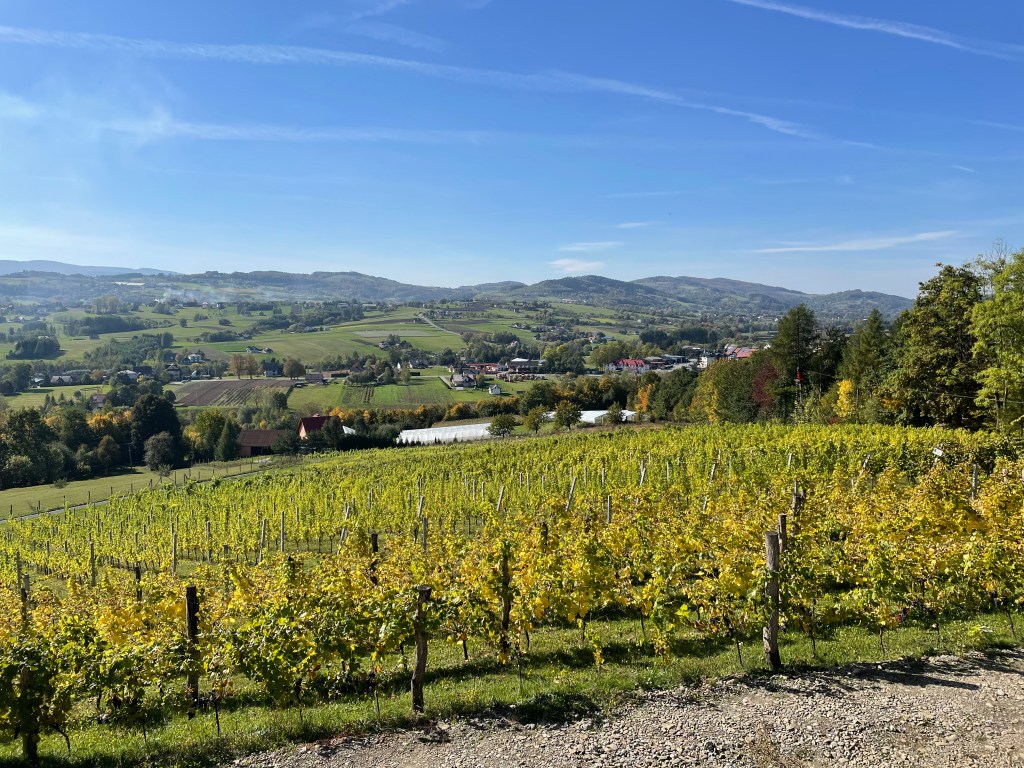
Winemaking in Małopolska dates back to the 10th and 11th centuries, introduced by Christian monks who cultivated vines near monasteries. The fertile soils and mild climate of southern Poland proved ideal for vineyards, making the region one of the earliest wine-producing areas in the country.
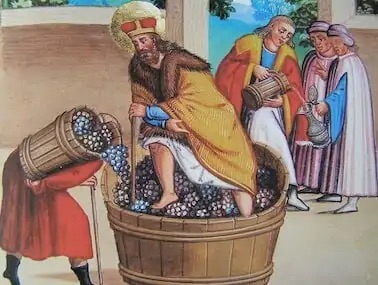
During the Middle Ages, Polish nobility adopted winemaking as a status symbol. Vineyards were often planted near castles and estates, blending agriculture with art.
Challenges Through the Ages
By the 17th century, winemaking faced setbacks due to colder climates (the Little Ice Age) and invasions, including Swedish wars that destroyed much of the region’s infrastructure. Despite these challenges, winemaking persisted as a craft passed down through generations.
In the mid-20th century, industrialization under communist rule shifted agricultural focus, and winemaking declined in favor of grain production. Small, private vineyards survived quietly, preserving traditional methods.
The Wine Renaissance in Małopolska
The 21st century brought a resurgence of interest in winemaking, thanks to Poland’s integration into the European Union, which encouraged agricultural diversity and innovation. Local winemakers adopted modern techniques, blending tradition with science to produce wines of high quality.
Events like Kraków’s International Wine Festival and the Polish Wine Gala have spotlighted the region’s winemaking potential on the global stage.
The Unique Terroir of Małopolska
Małopolska’s vineyards benefit from a mix of limestone-rich soils, rolling hills, and a moderate climate influenced by the Carpathian Foothills. This unique terroir imparts distinct flavors to wines, particularly whites like Solaris and Riesling.
Popular grapes grown in the region include Regent, Rondo, and Cabernet Cortis for reds, as well as Seyval Blanc, Hibernal, and Jutrzenka for whites.
A Modern Journey Through Tradition
Many vineyards in the region, such as Winnica Srebrna Góra and Winnica Jura, prioritize eco-friendly and biodynamic practices, aligning with modern sustainability trends.
Today, Małopolska is home to over 40 vineyards, with a reputation for producing award-winning wines. The region’s potential continues to grow as more winemakers experiment with hybrid varieties and sparkling wines.
 Krakow Wine Tours